Understanding Automotive AC Components: Everything You Need to Know
.jpg)
When it comes to vehicle comfort, few systems are as crucial as the automotive air conditioning (AC) system. Whether you're driving through a scorching summer day or battling humidity, a well-functioning AC ensures a pleasant journey. But what makes this system work seamlessly? The answer lies in the automotive AC components — each playing a vital role in cooling and air regulation inside your car.
In this blog, we break down the major automotive AC components, how they function, and why keeping them in top shape matters.
What Are Automotive AC Components?
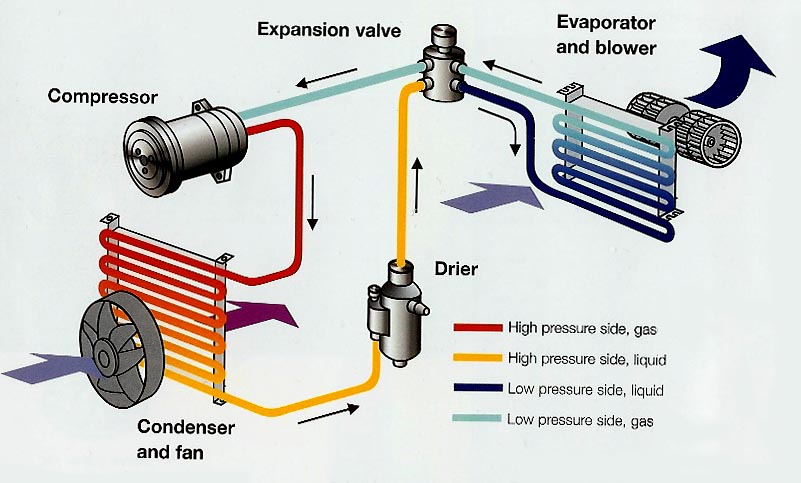
The automotive AC system is a closed-loop system that cools, dehumidifies, and circulates air. It consists of several key components, each designed to perform a specific task:
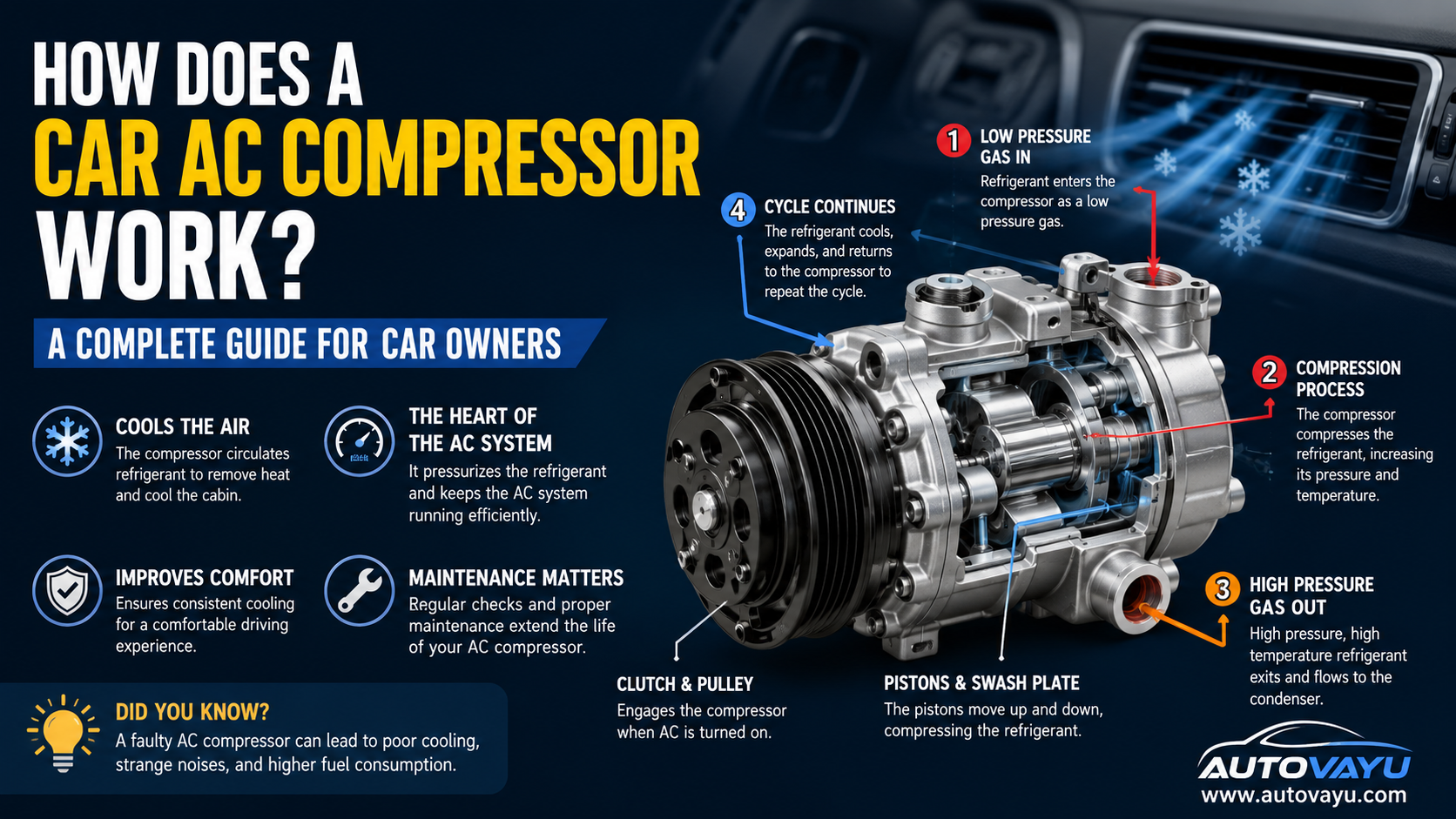
1. Compressor: The AC compressor is often called the heart of the system. It compresses the refrigerant gas and pushes it into the condenser. If your compressor fails, your entire cooling system can collapse.
2. Condenser: Located in front of the radiator, the condenser cools the high-pressure refrigerant gas by turning it into a liquid. It's crucial for heat exchange and overall cooling efficiency.
3. Receiver-Drier or Accumulator: This component removes moisture and contaminants from the refrigerant. It also stores excess refrigerant and protects the compressor from damage.
4. Expansion Valve or Orifice Tube: This small device controls the flow of refrigerant into the evaporator, where the cooling happens. A clogged expansion valve can drastically reduce system performance.
5. Evaporator Coil: The evaporator is located inside the cabin. As the refrigerant passes through it, the component absorbs heat from the car’s interior, resulting in cool air being blown through the vents.
6. Refrigerant: Though not a mechanical component, the refrigerant (such as R134a or R1234yf) is the chemical that makes cooling possible by cycling through compression and expansion.
Why Are Automotive AC Components Important?
Every part of your vehicle’s AC system needs to work in harmony for optimal cooling performance. Here's why maintaining your automotive AC components is essential:
- Comfort: A properly functioning AC keeps the cabin temperature comfortable during extreme weather.
- Safety: Defogging and dehumidifying features improve visibility, enhancing driver safety.
- Efficiency: Regular maintenance of components prevents energy loss and reduces engine strain.
- Longevity: Servicing your AC system increases its lifespan and prevents costly repairs.
Common Signs of Faulty Automotive AC Components
It’s important to watch for early signs of AC trouble:
- Weak or no airflow
- Strange noises when the AC is on
- Unpleasant odors
- AC blowing warm air
- Visible refrigerant leaks
If you notice any of these issues, it’s time to get your automotive AC components inspected by a professional.
How to Maintain Your Automotive AC System
Regular maintenance is key to keeping your AC system working at its best. Here’s how:
- Get an AC check-up annually
- Replace the cabin air filter regularly
- Check refrigerant levels
- Clean or replace the condenser and evaporator coils
- Inspect hoses, seals, and belts for wear
Conclusion
Understanding your automotive AC components helps you appreciate the technology that keeps your car cool and comfortable. Regular maintenance not only improves performance but also saves you from expensive repairs down the road.
Whether you’re a car owner, a mechanic, or an auto parts dealer, knowing the ins and outs of automotive AC components is essential in today’s driving world.